

In today's accelerated world, individuals are increasingly acknowledging the importance of brain health and its influence on our general well-being. As we navigate through everyday life, it's essential to understand how various factors, such as nutrition, exercise, and sleep quality, affect to keeping a clear and healthy mind. Yet, one critical factor that often gets ignored is the role of social interaction in promoting brain health. Interacting with others not just fosters a sense of community and also plays a significant role in maintaining our minds alive and resilient.
Research has shown that valuable connections and interactions can lead to improved cognitive function, emotional stability, and even longevity. As we delve deeper into the complex relationship between social interactions and brain health, we'll explore basic daily habits you can adopt, the influence of nutrition and exercise, and other practices that promote optimal brain function. By comprehending and including these elements into our lives, we can build a comprehensive approach to fostering a healthier brain and a closer life.
Regular Practices for Enhanced Brain Health
Integrating easy daily habits can substantially enhance your brain well-being and overall cognitive function. One successful strategy is creating a routine that features regular physical exercise. Physical activity has been shown to boost blood circulation to the brain, promote the growth of new neurons, and lower the risk of cognitive impairment. Even short sessions of exercise, such as a quick walk or a quick workout, can sharpen mental acuity and improve mood, making it a vital component of a brain-friendly lifestyle.
Nutrition also holds a important role in supporting brain function. Eating a balanced diet rich in nutrients, omega-3 fatty acids, and vitamins can help support the brain and avoid oxidative stress. Foods such as fruits, oily fish, nuts, and leafy greens have been associated to better memory and cognitive abilities. Putting a conscious effort to incorporate these healthy foods into daily meals can provide the necessary building blocks for optimal brain health.
In conclusion, prioritizing cognitive stimulation is essential to keeping the brain active and engaged. Activities such as reading, puzzles, or even learning a new language stimulate the brain and encourage neural linkages. Encouraging creativity through hobbies like art or music can also cultivate a resilient brain. By integrating these engaging activities into your daily schedule, you can greatly enhance your cognitive abilities and support long-term brain health.
The Impact of Diet and Physical Activity on Brain Health
Diet plays a crucial role in supporting brain health and cognitive function. Consuming a nutritional plan rich in healthy fats, antioxidants, micronutrients, and minerals is associated with improved memory and overall cognitive capability. Foods such as salmon, nuts, blueberries, and leafy greens are proven to enhance cognitive abilities and may help mitigate age-related cognitive decline. Maintaining Joint Health balanced diet also helps regulate glucose levels, which is essential for sustained energy and focus throughout the day.
Physical activity is another vital component in promoting cognitive wellness. Regular physical activity increases circulation to the brain, encouraging the growth of additional brain cells and enhancing connections between existing ones. Research has shown that even moderate physical activity, such as strolling or cycling, can have significant benefits for cognitive function, reducing the risk of developing brain disorders. Physical activity also stimulates the production of neurotransmitters, which improve emotional well-being and alleviate stress, further contributing to overall brain wellness.
Combining good nutrition with an exercise routine is the key to maintaining cognitive health throughout life. Making simple adjustments, such as including cognitive-enhancing foods in meals and incorporating physical activity into daily routines, can yield substantial benefits. Additionally, forging links between these healthy habits can lead to a more engaged and fulfilling life, ultimately enhancing mental vitality as one ages.
Social Interaction and Its Positive Effects for Brain Health
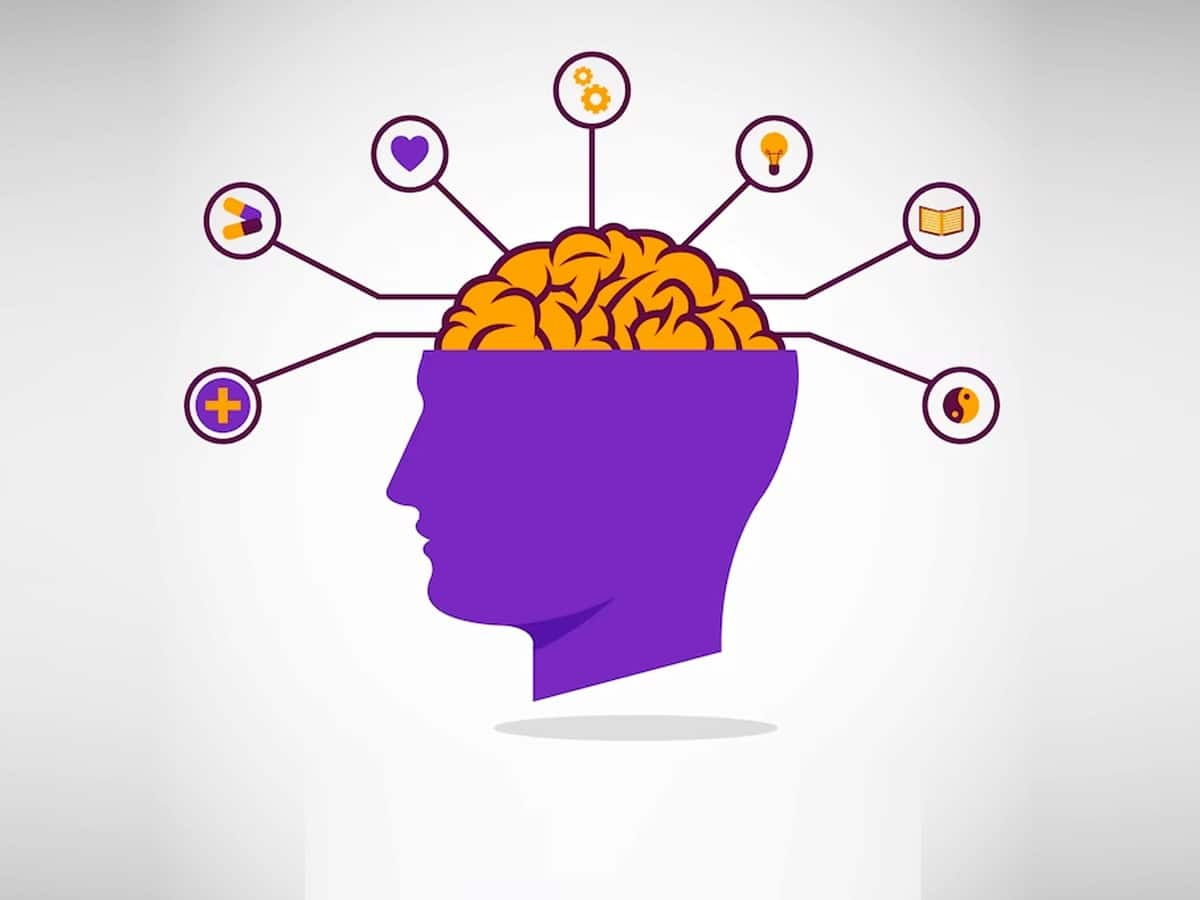
Taking part in regular social interactions is important for maintaining cognitive function as we grow older. Research have shown that individuals who participate in a variety of social activities often have better memory and cognitive skills. This connection mainly stems from the stimulation provided by conversations and communal activities, which can enhance neural connections and promote brain plasticity. Social engagement also cultivates a sense of belonging and purpose, which benefits to mental health and overall brain function.
Moreover, social interactions can help mitigate the effects of loneliness and depression, both of which are threats for cognitive decline. Meaningful relationships provide emotional support, thereby diminishing stress and anxiety levels. This is particularly important, as chronic stress is known to affect brain health. Engaging with friends and family not only offers mental stimulation but also supports healthier lifestyle choices, such as physical activity and better dietary habits, which further support cognitive longevity.
In conclusion, fostering social networks can be a proactive approach to brain health. Being part of a community, whether through clubs, volunteer work, or other group activities, enables individuals to remain mentally active and socially connected. This engagement is beneficial not just for enhancing cognitive abilities but also plays a major role in promoting resilience against age-related decline. As we navigate through life, prioritizing social interaction is an integral strategy for maintaining cognitive vitality and ensuring a healthier brain as we age.